- COURSES
- SPECIALS
- BLOG
- MEMBERS
- SHOP
- BOOKSHELF
- ABOUT
- ENROLL HERE

Question 1 |
255.255.244.0 | |
255.255.252.0 | |
255.255.240.0 | |
255.255.254.0 | |
255.255.248.0 |
Question 2 |
[edit authentication root] | |
[edit interfaces root] | |
[edit system login root] | |
[edit system root-authentication] | |
[edit security password] |
Question 3 |
check | |
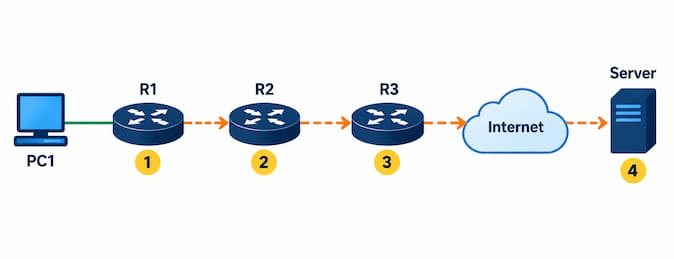
traceroute | |
run | |
ping | |
do |
Question 4 |
ARP | |
SNMP | |
NTP | |
FTP | |
DHCP |
Question 5 |
? | |
help cli | |
assist | |
help | |
show help |
Question 6 |
[edit firewall] | |
[edit interfaces] | |
[edit routing-options] | |
[edit system] | |
[edit policy-options] |
Question 7 |
Layer 3 / Layer 2 | |
Layer 2 / Layer 3 | |
Layer 3 / Layer 4 | |
Layer 2 / Layer 4 | |
Layer 4 / Layer 3 |
Question 8 |
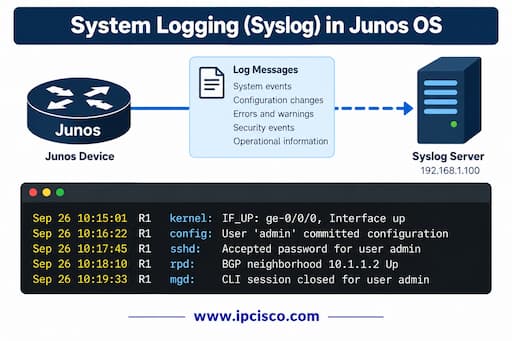
To resolve MAC addresses | |
To record system events and messages | |
To assign IP addresses | |
To calculate routes | |
To create user accounts |
Question 9 |
172.100.100.16 | |
172.100.100.1 | |
172.100.100.254 | |
172.100.100.255 | |
172.100.100.15 |
Question 10 |
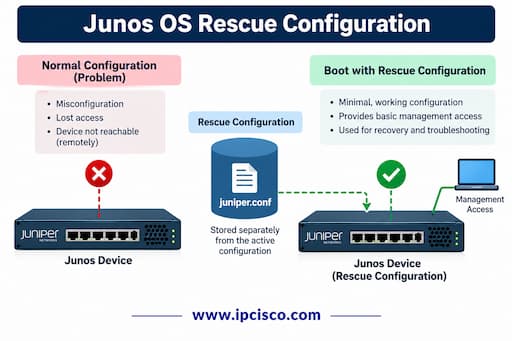
To store interface statistics | |
To back up routing tables | |
To store Junos installation packages | |
To automatically recover the root password | |
To provide a known working configuration for recovery |
Question 11 |
User permissions and access privileges | |
Routing protocol preference | |
VLAN membership | |
Firewall filter order | |
Interface bandwidth |
Question 12 |
recover | |
load previous | |
rollback | |
restore | |
revert |
Question 13 |
20 | |
8 | |
4 | |
32 | |
24 |
Question 14 |
48 | |
128 | |
32 | |
96 | |
64 |
Question 15 |
Layer 1 | |
Layer 7 | |
Layer 2 | |
Layer 3 | |
Layer 5 |
Question 16 |
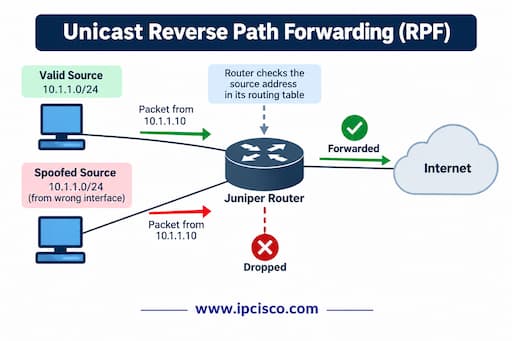
To assign route preferences | |
To convert IPv4 addresses to IPv6 | |
To encrypt packets between routers | |
To select the route with the longest prefix | |
To verify that the source of a packet is reachable through an appropriate path |
Question 17 |
| filter | |
| include | |
| find | |
| match | |
| search |
Question 18 |
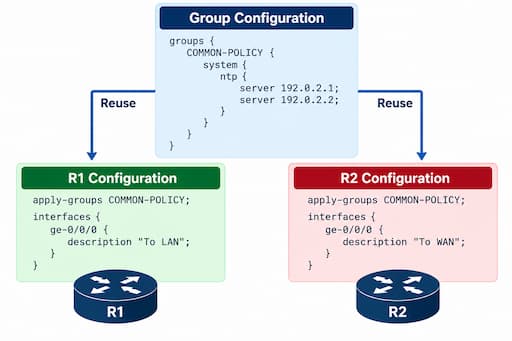
Configuration groups | |
Login classes | |
Routing instances | |
Prefix lists | |
Firewall terms |
Question 19 |
00:1A:2B:3C | |
00:1A:2B | |
3C:4D:5E | |
00:1A | |
4D:5E |
Question 20 |
ICMP | |
IP | |
OSPF | |
ARP | |
STP |
Question 21 |
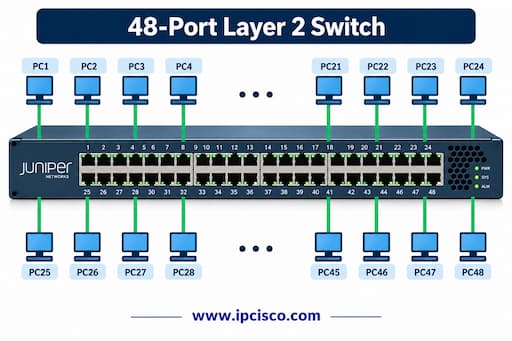
5 | |
2 | |
24 | |
48 | |
1 |
Question 22 |
NTP | |
FTP | |
ARP | |
ICMP | |
SNMP |
Question 23 |
10100010 | |
10010110 | |
10010011 | |
11010010 | |
10010010 |
Question 24 |
set system rescue | |
request system configuration rescue | |
save rescue configuration | |
commit rescue | |
request system configuration rescue save |
Question 25 |
home | |
exit all | |
up all | |
top | |
root |
Question 26 |
Dynamic route | |
Aggregate route | |
Local route | |
Direct route | |
Static route |
Question 27 |
6 | |
8 | |
4 | |
5 | |
7 |
Question 28 |
create interfaces | |
cd interfaces | |
check interfaces | |
edit interfaces | |
interfaces |
Question 29 |
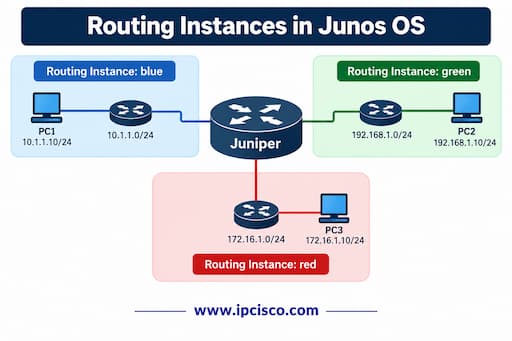
To configure the root password | |
To configure system logging | |
To monitor interface errors | |
To store rollback configurations | |
To create separate logical routing environments |
Question 30 |
monitor start messages | |
show log realtime | |
trace messages | |
show messages live | |
monitor system messages |

Gokhan Kosem is a Network Engineer, Instructor and the Founder of IPCisco.com with 15+ years of experience in Cisco, Nokia, Huawei, Juniper, Linux, Service Provider Networks, Routing and Switching technologies.
He has worked on the backbone networks of major service providers and network vendors including Nortel, Alcatel-Lucent (Nokia) and has extensive hands-on experience with Cisco, Huawei, Juniper and Nokia networking technologies.
He has trained thousands of networking students worldwide through IPCisco.com, Udemy, books, labs, quizzes, and educational content across multiple social media platforms.
IPCisco.com | Best Route to Your Dreams